Animal Wellbeing – Putting the Animal’s Wellbeing at the Center


The focus of my work is guided by one simple yet profound question: What does an animal truly need to live a healthy, balanced, and fulfilled life?


For me, animal wellbeing means recognizing animals as sentient, conscious beings with physical, emotional, social, mental, energetic, and spiritual needs.


When these fundamental needs are met, what naturally emerges is what we all wish for: health, inner calm, trust, learning ability, and a stable, fulfilling relationship between humans and animals.


At the same time, the human who brings an animal into their life carries a clear responsibility. It is our task — and our duty — to meet the animal’s needs consciously, consistently, and in a way that works in everyday life.


Many of the problems that arise in daily life with animals resolve themselves when an animal is kept in a species-appropriate way, guided with clarity, meaningfully engaged, and treated with fairness and respect.


Before searching for deeper spiritual explanations, it is often wise to first check the basics. Not every “problem” is an unresolved soul contract — sometimes an animal is simply misunderstood, poorly guided, or not yet properly educated.


Rather than merely treating symptoms or correcting behavior, my approach is about understanding and improving the animal’s living conditions as a whole. From this foundation, true development becomes possible — calm, clear, and aligned with the animal’s true nature.



The Amann model - 9 levels of Animal Wellbeing
 

A holistic expansion of existing wellbing models


In classical animal science, wellbeing is often reduced to three, sometimes five areas (e.g. nutrition, environment, health, behavior, mental state).


Based on many years of practical work with companion animals, farm animals, and wild animals, I have expanded this model into nine levels of animal wellbeing.


These nine levels apply across species — to dogs, cats, horses, farm animals, and essentially any animal living with or influenced by humans.
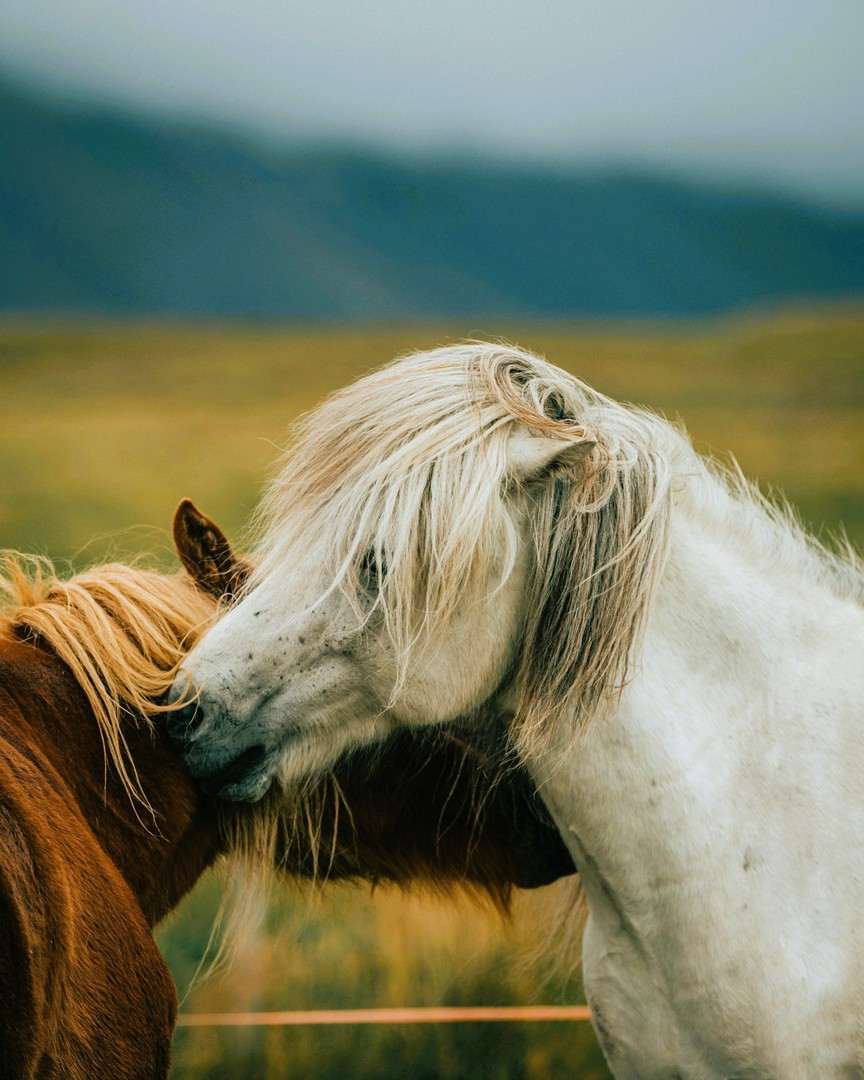
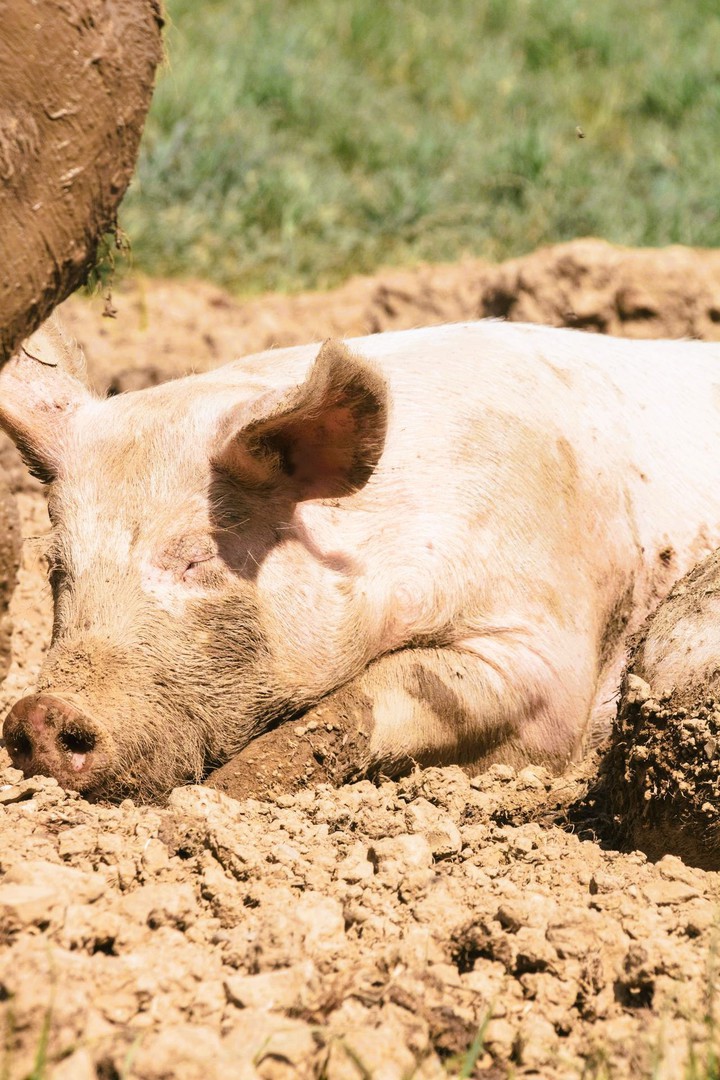


1. Movement – The right to move naturally
 
Animals are designed to move. Free, self-directed movement supports not only muscles and joints, but also digestion, the nervous system, and emotional balance. Movement is not a luxury — it is a fundamental requirement for physical, emotional, mental, energetic, and spiritual health.
 
 
2. Nutrition – Feeding according to biological design
 
Species-appropriate nutrition is based on what an animal’s body is biologically designed to digest — not on human preferences or ego-driven feeding trends. Quality, rhythm, and digestibility matter far more than excess. Nutrition is not only about what is fed, but also how: feeding should be calm, natural, and aligned with the animal’s nature.
Proper nutrition stabilizes energy, behavior, and emotions and forms a key foundation for long-term health and wellbeing.
 
 
3. Social Connection – Belonging, bonding, and relationship
 
Most companion and farm animals are social species. They need contact, communication, and stable relationships — with members of their own species and with humans. In human care, animals cannot freely choose their social partners. It is therefore our responsibility to create suitable social structures (find friends) and help animals cope with challenging encounters (deal with ennemies). Not every individual needs to be liked — but conflict does not need to escalate. Calmness, distance, and disengagement are valuable social skills that can be learned. Healthy social structures reduce stress, promote emotional security, and strengthen the immune system.
 
 
4. Health & Healing – Balance of body, emotion, and energy
 
The human-made environments our animals live in often expose them to more stress than they are naturally equipped to handle. Supporting them in releasing stress and building resilience is essential. Wellbeing means far more than simply “not being sick.” Alongside medical care, emotional management, stress regulation, and energetic balance are integral to true health. Healing always takes place on multiple levels at once.
 
 
5. Environment – Safety, stimulation, and orientation
 
A balanced environment offers retreat, variation, and orientation. It challenges the animal in ways that suit its nature while also allowing rest and withdrawal. Routine can provide security, but too much routine creates dependency and panic when change occurs. Finding the right balance between variety and stability, activity and rest, requires sensitivity. A well-designed environment supports learning ability, resilience, health, and inner calm.
 
 
6. Protection & Leadership – Safety through clarity
 
Animals need safety — both physical and emotional. Some of this comes from the environment, some from conspecifics. The greatest part, however, should come from us as humans, because we have brought animals into a world they do not always understand, but we do. Every social animal needs leadership. Calm, clear, and species-appropriate leadership provides orientation and security. Where protection and reliability are felt, the nervous system can relax and the animal can truly rest.
 
 
7. Learning & Handling – Guiding instead of breaking
 
Every animal can learn — and every animal wants to learn. Learning should respect the nature and learning style of the species. Patience, clarity, and respect allow development without pressure or fear.
Some animals learn through repetition and structure; others through problem-solving and exploration. At no point is the goal to break an animal physically or emotionally into blind obedience but to educate. The goal is understanding, cooperation, and trust.
 
 
8. Physical Development – Strength, balance, and confidence
 
A well-developed body gives an animal a sense of inner security. Appropriate physical activity builds strength, coordination, and confidence — whether the animal works, competes, or simply lives everyday life. Humans can support animals in strengthening and balancing muscles they would naturally avoid. Animals understandably shy away from movements that feel uncomfortable at first. Yet, as with humans, not every beneficial exercise feels good immediately. It is our responsibility to gently support physical balance, address weaknesses, and maintain long-term mobility, strength, and resilience.
 
 
9. Purpose & Soul Level – A shared journey
 
Every animal comes with its own story, purpose, and learning themes. Often, a deeper connection exists between human and animal — a shared development on a soul level. When this meaning is recognized, the relationship fundamentally changes. The animal is not here solely for the human. On a soul level, animals may support humans on their path — yet each animal also has its own soul journey. Our responsibility is to respect and support both paths. True partnership arises when both journeys are acknowledged — rooted in respect, awareness, and connection.


My approach


When an animal’s wellbeing is considered across all nine levels, real change becomes possible — sustainable, calm, and aligned with the animal’s true nature.


These nine levels provide a clear framework that applies to every species. At the same time, every animal is an individual. Within each level, it is essential to look closely at what this particular animal needs — shaped by personality, history, and unique circumstances.


Animal wellbeing is not about perfection. It is about awareness, responsibility, and connection — between humans, animals, and life itself.


My personal guiding principle is: "Lokah samastah sukhino bhavantu" - May all beings be happy and free, and may our thoughts, words, and actions contribute to the happiness and freedom of all.


With love,
Laurent

Druckversion | Sitemap
© Laurent Amann, DER TIERFLÜSTERER